
Why is monocular vision 1.0?
Still tired when reading?
Good vision in one eye does not guarantee normal binocular coordination. A binocular vision exam can comprehensively assess how well your eyes work together and identify the true cause of eye strain.
I have these symptoms. Schedule an appointment for a checkup.
What is binocular vision testing?
Binocular vision is the ability of two eyes to work together, merging two slightly different images into a single 3D image with depth perception. This process involves complex neuromuscular coordination.
When binocular coordination is impaired, symptoms like eye strain, headaches, and reading difficulties can occur—even if each eye individually achieves 1.0 vision. Traditional single-eye refraction cannot detect these issues.
Binocular vision assessment uses a series of professional tests to comprehensively evaluate accommodation, convergence, and ocular alignment, providing a scientific basis for personalized vision care plans.
Project Inspection Details
Adjustment Function Check
Evaluate the flexibility and endurance of ocular focusing to identify accommodative insufficiency or excess.
Collection Feature Check
Assess the ability of both eyes to converge inward to determine if there is convergence insufficiency or excess.
Ocular Alignment Examination
Measure phoria, assess binocular alignment, and prevent eye strain and double vision
MKH Heterophoria Examination
Precisely measure small heterophoria to provide accurate data for prism fitting.
Prism Fitting
Customize prism power based on examination results to improve binocular coordination and relieve eye strain.
Who should get a binocular vision exam?
If you experience any of the following symptoms or conditions, a binocular vision examination is recommended.
Binocular Vision
Learn more about binocular vision testing
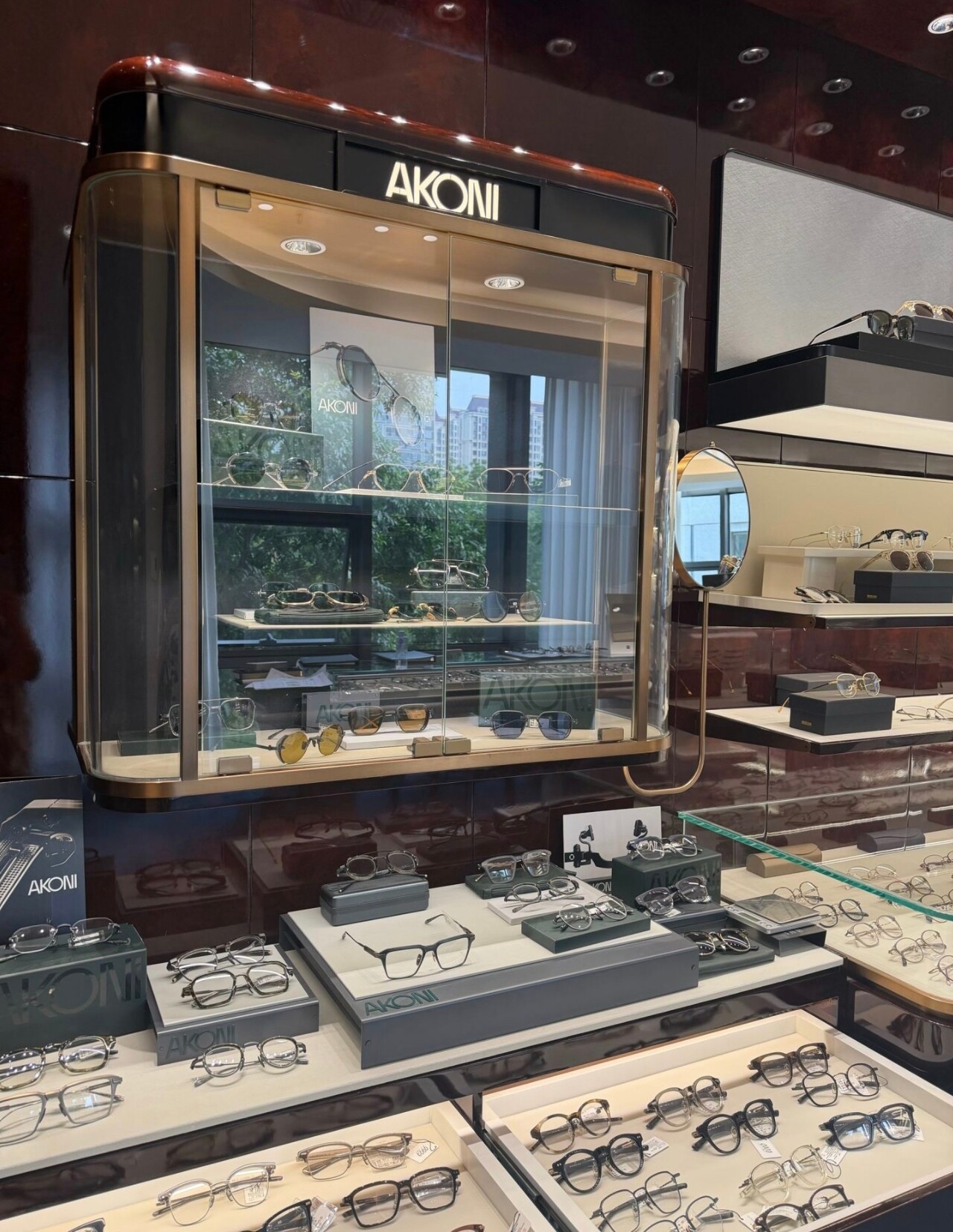
Still dizzy despite accurate prescriptions? The root cause is often binocular vision dysfunction.
As a locally owned optical brand in Tianjin and an officially certified Zeiss Vision Expert store, Jingmu Eyewear rejects assembly-line-style quick eye exams. Instead, we have established a standardized, detailed full-process optometry system that fully covers binocular vision screening to comprehensively identify potential causes of dizziness from new lenses: Detailed Consultation & Record Creation: Optometrists conduct thorough interviews regarding daily screen time at work, usage scenarios, and experiences with current or previous glasses. We meticulously document visual habits to pinpoint underlying discomfort triggers.
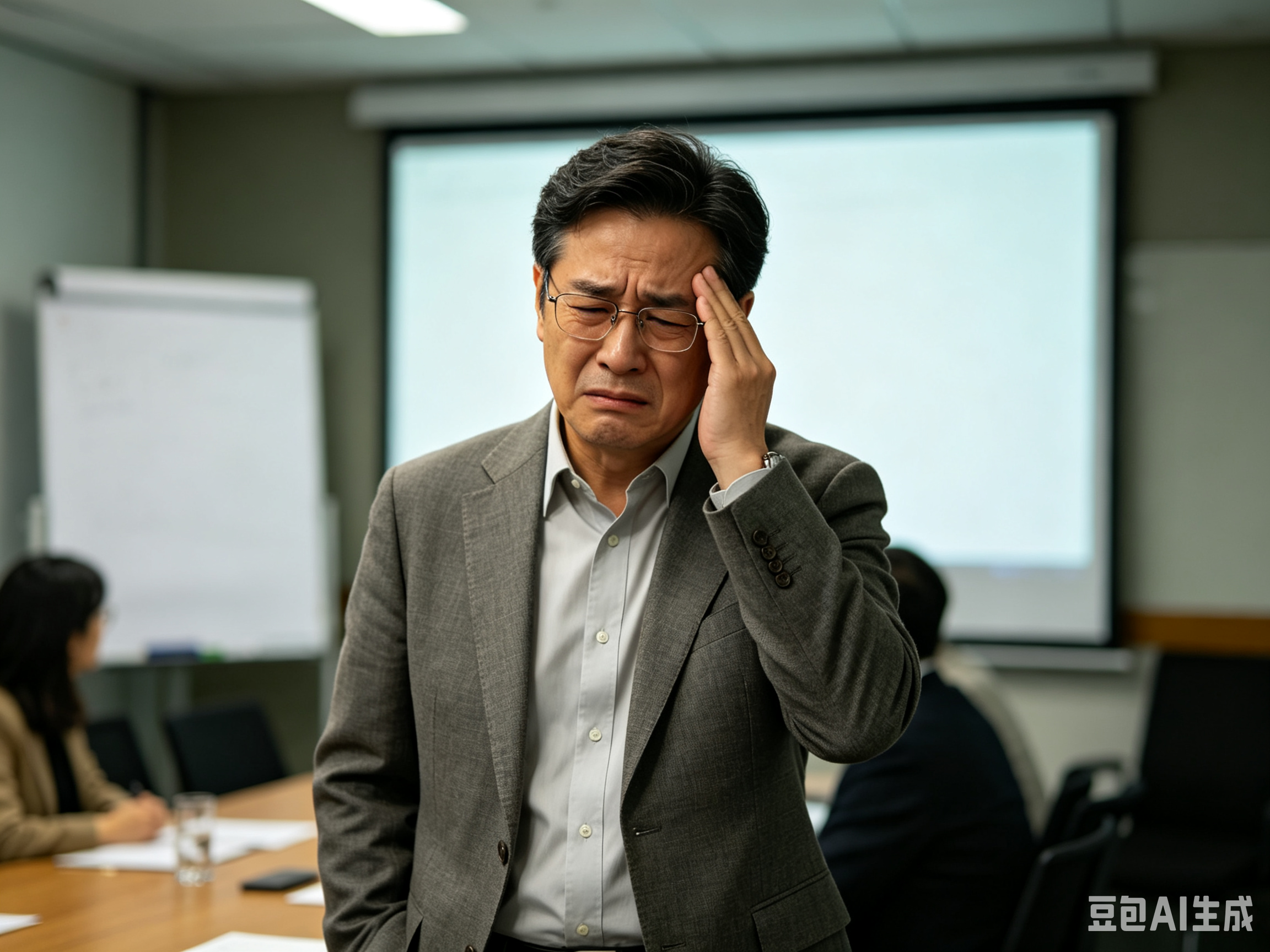
Why does WhaleVision require 40-60 minutes for an eye exam? The core value of professional optometry explained.
Standard eye exams at Jingmu Eyewear take 40-60 minutes. Unlike quick screenings, this extended duration is due to our 3-step Zeiss digital full-process optometry system. The comprehensive protocol covers all key dimensions with rigorous attention to detail. Moving beyond simple prescription checks, it evaluates overall eye health and tailors solutions to your daily visual needs—ensuring precise fit and maximum comfort from the start.
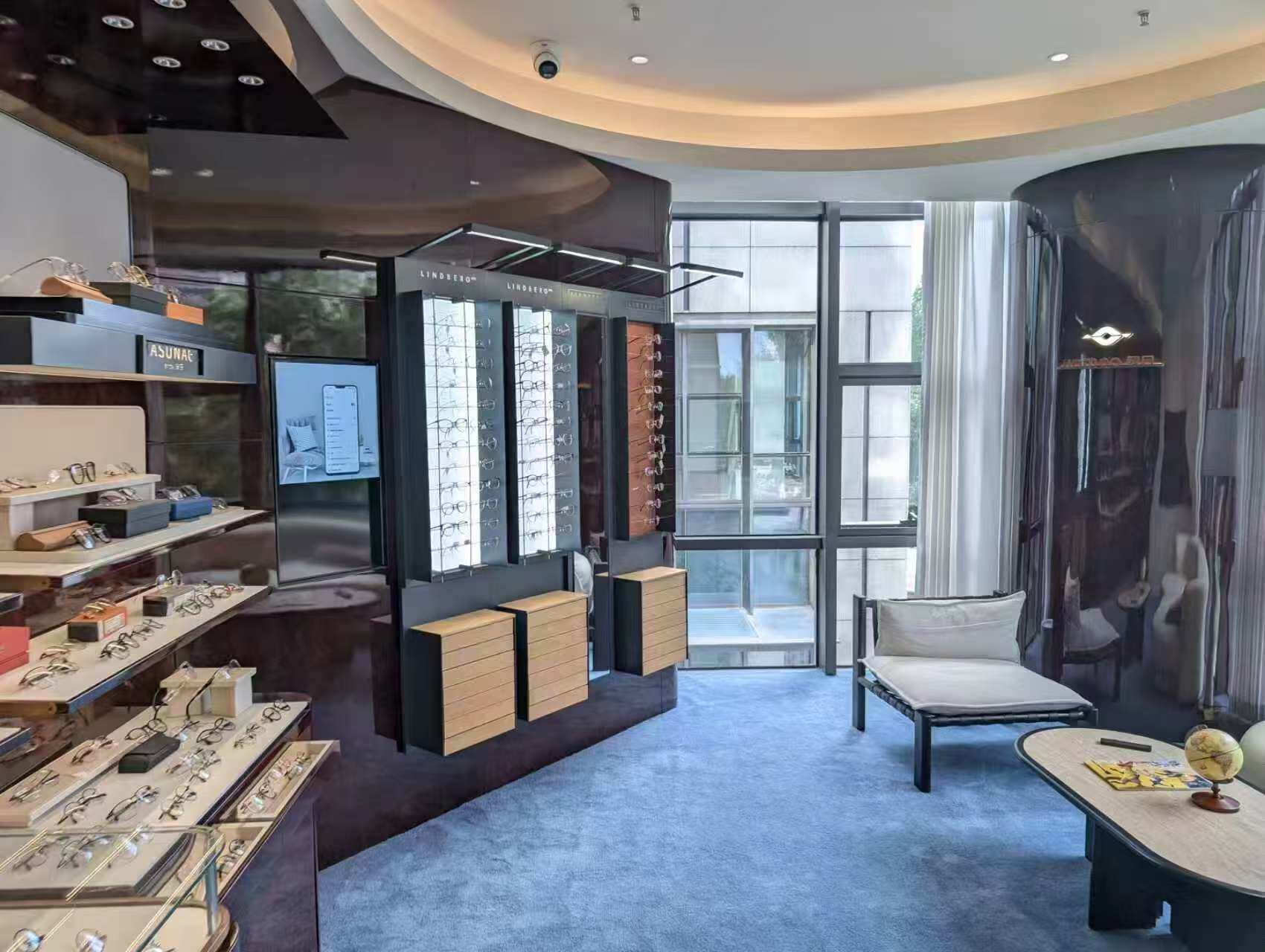
Try-On Evaluation: The Core of Precise and Comfortable Eyewear (Jingmu Optical's Standardized Prescription Protocol)
Jingmu Eyewear rejects fast-food-style prescriptions. We build a comprehensive, dynamic, and precise fitting assessment system for multiple scenarios—moving beyond static, one-size-fits-all trials.
Real Success Stories
35-year-old programmer
Working late every night, my eyes feel dry and sore. I've tried several pairs of glasses, but none have been comfortable.
Check revealed dysfunctions in the accommodation function. A customized visual training plan and digital protection lenses were prescribed. Symptoms improved significantly after two weeks.
8-year-old elementary school student
Frequent line-skipping and difficulty sustaining attention while reading or writing, often mistaken for ADHD.
Binocular vision assessment revealed convergence insufficiency. After 3 months of vision therapy, reading ability improved significantly.
50-year-old teacher
Experiencing dizziness and nausea after getting progressive lenses, making it impossible to attend classes.
Latent strabismus was detected and remained uncorrected. After adjusting the prism power, a new fitting was performed. The wearer reported comfort with no discomfort.
Don't let eye strain affect your life
Schedule a binocular vision exam to identify the true cause of eye strain.
Book Appointment Now